Not taking new clients until late October 2026Mon–Fri 8a–6p67 FL countiesFlat fees, published
Florida Bar member · 9 years
probate.helpEST · SARASOTA · FLprobate.helpEST · SARASOTA · FL
Office line · current clients
941 · 352 · 1006
Text usJoin the waitlist
← All statutes
Chapter 732 — Wills & Intestate Succession

Florida Statute 732.6005

“Rules of construction and intention”

What it means

This is the master rule for reading Florida wills: the intention of the testator as expressed in the will controls the legal effect of its dispositions. Every statutory rule of construction is a default, applying only when the will itself doesn't indicate a contrary intention.

Subsection (2) adds a timing rule: a will is construed to pass all property the testator owns at death, including property acquired after the will was signed. A will doesn't go stale because the assets changed — but it distributes only what its own clauses actually reach.

— What it says
  • The intention that controls is the one expressed in the will — §732.6005(1).
  • Statutory rules of construction are defaults, displaced by a contrary indication in the will.
  • A will passes all property owned at death, including after-acquired property — §732.6005(2).
  • Property no clause of the will disposes of still passes by intestacy, after-acquired or not.
— In a real probate

How it plays out

Both subsections get argued in real estates. Subsection (2) means no one can claim a devise fails merely because the testator bought the asset after signing. But we also see its limit, drawn by a well-known Florida Supreme Court decision about a form will with no residuary clause: the statute passes after-acquired property through the will's clauses, not around them, so assets no clause reaches go intestate. The lesson we repeat: a will needs a residuary clause more than it needs anything else.

Questions people ask

Does a Florida will cover property bought after it was signed?
Yes. Florida Statute 732.6005(2) construes a will to pass all property owned at death, including after-acquired property — but only through the will's actual language. Assets no clause disposes of pass by intestacy, which is why residuary clauses matter.
The official text
This page is a plain-English summary, verified against the 2026 Florida Statutes — it is not the statute, and it isn't legal advice for your situation.
Read § 732.6005
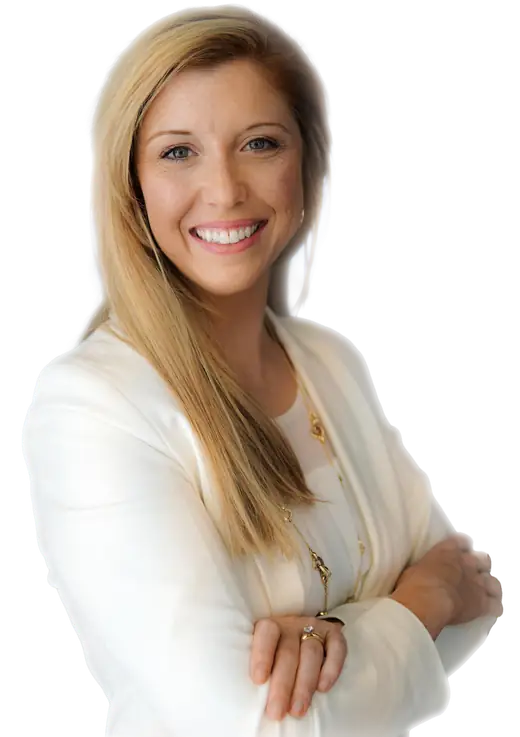
Rachel Brannan Schadt, Esq.
Written by
Rachel Brannan Schadt, Esq.

Florida probate and estate attorney. Florida Bar #127500, admitted 2017. Third-generation Florida attorney and Sarasota native. Florida State University; Western Michigan University Cooley Law School. Admitted to the U.S. District Courts for the Northern, Middle and Southern Districts of Florida.

Intake paused · reopens late October 2026

You're going to get through this.

Rachel is not accepting new clients until late October 2026. Every guide, calculator, county page, and statute page here stays free. Leave your details and we'll call when intake reopens — or, if your matter can't wait, The Florida Bar Lawyer Referral Service refers you to another Florida attorney taking cases now.

Florida Bar #127500RPPTL SectionSarasota Bar AssociationFL Assoc. Women Lawyers