Not taking new clients until late October 2026Mon–Fri 8a–6p67 FL countiesFlat fees, published
Florida Bar member · 9 years
probate.helpEST · SARASOTA · FLprobate.helpEST · SARASOTA · FL
Office line · current clients
941 · 352 · 1006
Text usJoin the waitlist
← All statutes
Chapter 732 — Wills & Intestate Succession

Florida Statute 732.501

“Who may make a will”

What it means

This is the capacity gate for making a will. Under §732.501, a person may make a Florida will only if they are of sound mind and are either 18 or older or an emancipated minor.

'Sound mind' is tested at the moment of signing — the testator must understand, in a general way, the nature and extent of their property, the people who would naturally receive it, and that they are making a will disposing of it. A medical diagnosis, advanced age, or even a guardianship doesn't automatically disqualify someone; capacity is about the mind at execution, not the label.

— What it says
  • Two requirements: sound mind and age 18 or older (or an emancipated minor).
  • Capacity is judged at the moment the will is signed, not before or after.
  • Sound mind means a general understanding of one's property, natural heirs, and the act of making a will.
  • A diagnosis, dementia, or guardianship doesn't automatically bar a valid will.
— In a real probate

How it plays out

Capacity contests almost always turn on the phrase 'of sound mind' — and on timing. We see wills signed during a hospital stay, or months into a dementia diagnosis, and the question is never the diagnosis itself but whether the testator understood what they were signing that day. Contemporaneous notes, the drafting lawyer's observations, and a self-proving affidavit all matter here. When capacity is genuinely in doubt, we document the signing carefully, because §732.501 is decided on the facts of a single afternoon.

Where this shows up

Pages on this site where § 732.501 does real work:

Questions people ask

Can someone with dementia make a will in Florida?
Possibly. Florida Statute 732.501 requires only that the testator be of sound mind at the moment of signing. A dementia diagnosis doesn't automatically void a will — the question is whether the person understood the act when they executed it.
The official text
This page is a plain-English summary, verified against the 2026 Florida Statutes — it is not the statute, and it isn't legal advice for your situation.
Read § 732.501
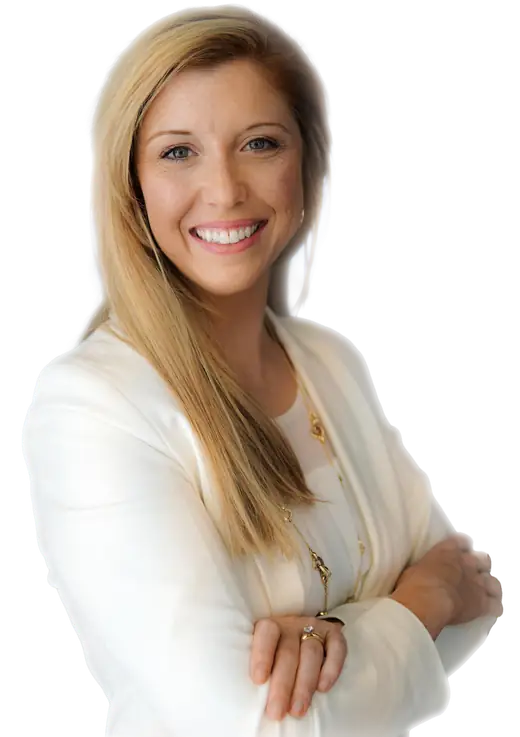
Rachel Brannan Schadt, Esq.
Written by
Rachel Brannan Schadt, Esq.

Florida probate and estate attorney. Florida Bar #127500, admitted 2017. Third-generation Florida attorney and Sarasota native. Florida State University; Western Michigan University Cooley Law School. Admitted to the U.S. District Courts for the Northern, Middle and Southern Districts of Florida.

Intake paused · reopens late October 2026

You're going to get through this.

Rachel is not accepting new clients until late October 2026. Every guide, calculator, county page, and statute page here stays free. Leave your details and we'll call when intake reopens — or, if your matter can't wait, The Florida Bar Lawyer Referral Service refers you to another Florida attorney taking cases now.

Florida Bar #127500RPPTL SectionSarasota Bar AssociationFL Assoc. Women Lawyers